
Caring for Gut Strings — A Living Material

Introduction
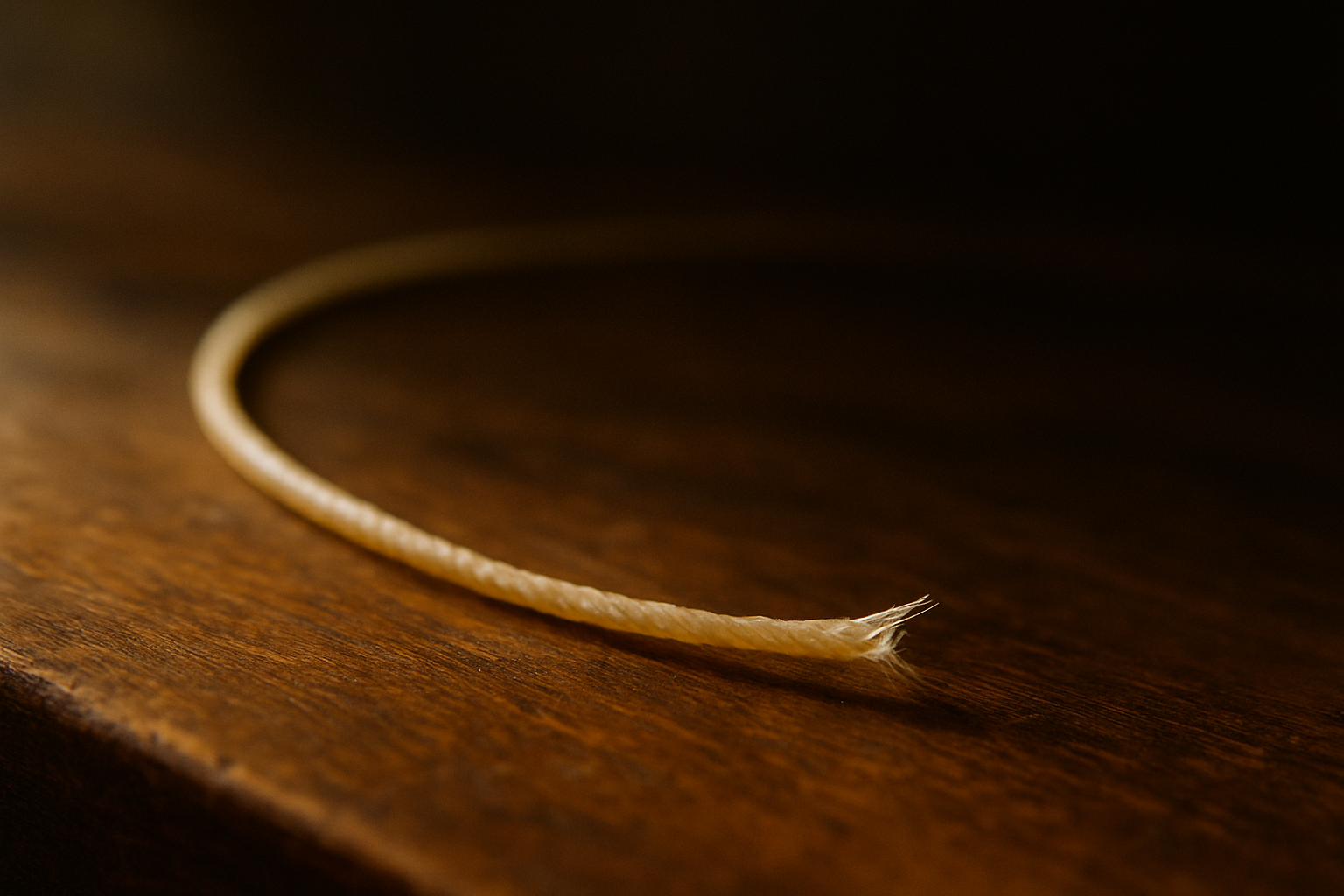
A gut string is alive — sensitive to the same air and warmth that surround you. Caring for it is less about maintenance and more about companionship. When treated with attention, it rewards you with tone that matures beautifully over time.
Humidity and Temperature
Gut reacts to the air.
- Avoid extreme dryness or dampness.
- Keep your instrument away from direct sunlight and radiators.
- If the air feels too dry, a small case humidifier can make all the difference.
Sudden shifts in humidity cause gut to stretch or shrink — and that affects tuning stability.
After Playing
After each session, gently wipe the strings with a soft, dry cloth. This removes sweat and oil that can dull the surface. Never use alcohol or chemical cleaners; they strip the natural oils from the string and shorten its life.
Storage and Rest
When not playing for extended periods, loosen the strings slightly — just enough to relieve tension without letting them fall slack. Store instruments in a stable environment, away from strong light or drafts.
Listening to the String
Gut will tell you when it’s tired: the tone darkens, the feel becomes softer under the fingers. Replacing it before it breaks keeps your instrument responsive and balanced.
Closing Reflection
To care for gut is to listen closely. Every adjustment, every wipe of the cloth, is part of the same ritual of craft that shaped the string in the first place.
Respect the material, and it will return the gesture with music that breathes.